For decades, Swiss private banking sold a simple, powerful promise: neutrality. In a world now defined by war, sanctions, and financial power struggles, that promise no longer holds the same weight. Today, the real appeal is simpler – but even more relevant, Chris Künzle writes in his assessment.
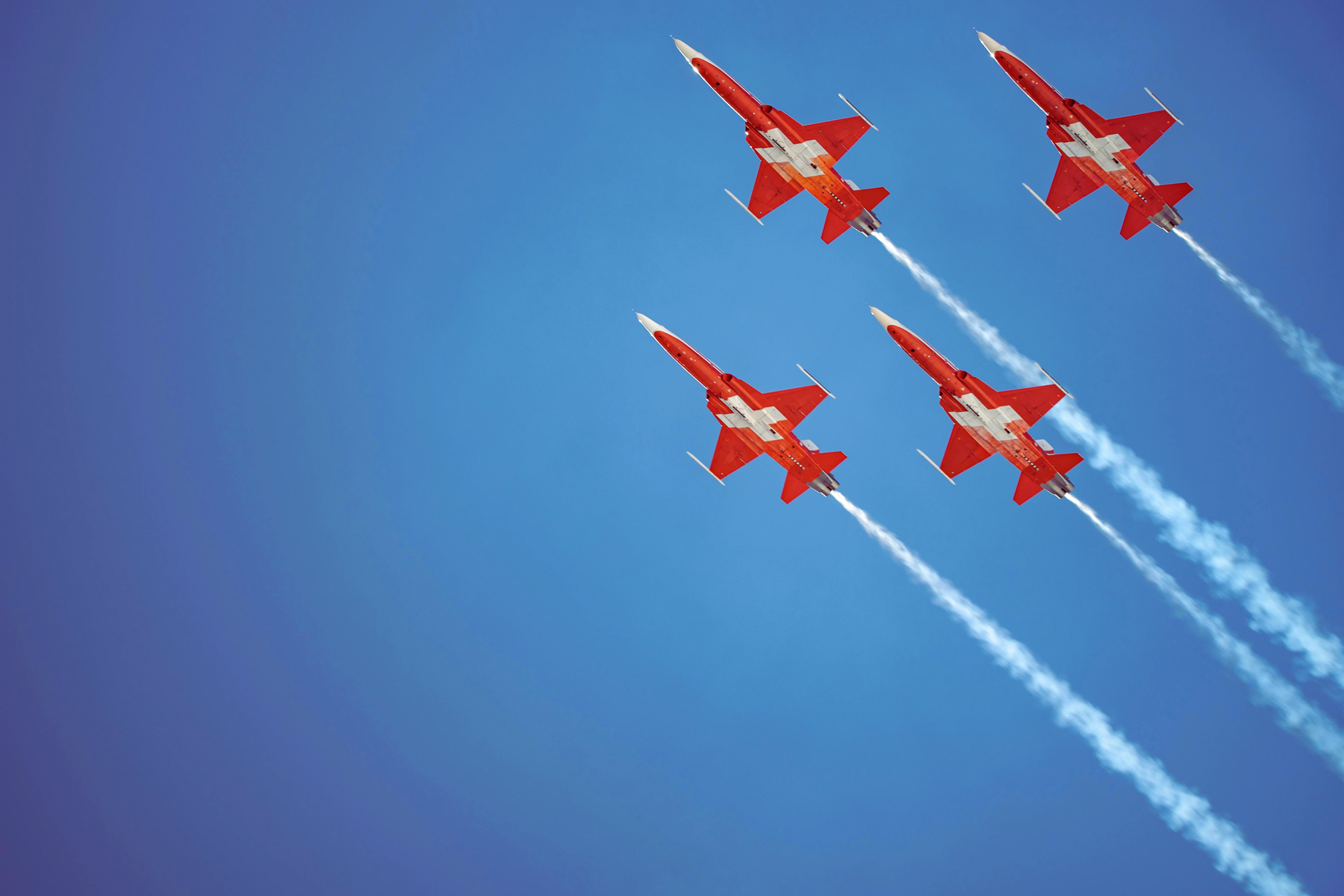
(Image: Pexels)
International private banking is shaped by sanctions, war, and the weaponization of financial infrastructure. The era of smooth globalization is over.
The business question is whether Swiss neutrality is still marketable the way it once was. Or does neutrality survive only within narrow limits that do not conflict wit US interests?
As tensions in the Middle East escalated, news wire «Reuters» reported inflows from the region to Switzerland. But those flows no longer rest on any nostalgic idea of Swiss neutrality. They rest on Switzerland as a trusted, rules-based, and safe financial jurisdiction.
When Swiss Neutrality Meets US Power
In international private banking, neutrality does not shield a Swiss bank from dependence on dollar clearing – this is the key lesson from Swiss private banking boutiques MBaer or Wegelin cases.
A bank may be Swiss-incorporated, Swiss-regulated, and headquartered in neutral Switzerland. But if it loses access to dollar clearing, clients react immediately. In private banking, confidence is the business model.
Whatever one makes of that reality, it is a defining fact of international private banking.
What Makes Switzerland Stand Out
Despite the disruption, Switzerland has not lost its edge. In a chaotic world, five of our core strengths matter more than ever:
- Switzerland offers exceptional institutional quality, with bottom-up governance, legal order, and administrative competence.
- The Swiss franc as a safe-haven currency remains one of our strongest strategic assets, outperforming every major currency.
- Swiss talent remains formidable, combining multilingual fluency, service culture and cross-border experience with a DNA for discretion.
- Switzerland’s high-quality infrastructure remains a powerful advantage, offering reliability and excellent public transportation.
- Switzerland continues to draw on a century-old reservoir of trust that newer wealth hubs cannot easily match.
Hidden Risk to the Swiss Value Proposition
There is, however, a growing concern beneath the surface. Switzerland has repeatedly relied on emergency powers in major crises: the UBS rescue in 2008, the U.S. tax cases in 2010, the COVID period in 2020, or the Credit Suisse rescue in 2023.
Such interventions raise an uncomfortable question: Is Switzerland still as predictable as its traditional narrative suggests? For international clients, predictability is not a bonus – it is the product.
Sharper Pitch for Swiss Private Banks
Swiss private banking should stop selling a nostalgic version of Swiss neutrality, implying that Swiss banks stand «outside» the geopolitical struggles of our age. Clients today are more informed. They understand geopolitics. They know no financial system is truly neutral anymore.
The future lies in a more realistic proposition. Swiss private banks should present themselves as trusted wealth stewards in a fragmented world. The winning message going forward looks more like this:
- We understand geopolitical risk
- We operate within the real rules of global finance
- We offer stability, expertise, and security
- And we give you exposure to one of the world’s safest currencies.
It is a narrower promise – but a stronger one.
For boards of directors, the strategic implications are clear. Geopolitical risk cannot be treated as a compliance issue. Client risks, correspondent banks, sanctions, or crisis communication are core elements of a modern business model. That requires stronger onboarding, better documentation, and sharper transaction monitoring.
Key Takeaways
Swiss private banking is not fading – it is evolving. Neutrality may no longer dominate the narrative. But «Swissness» – that blend of stability, trust, and quiet competence – still carries real weight, especially in light of recent events in the Middle East.
In a fractured world, that might matter more than ever.