Switzerland’s independent wealth managers are entering a decisive five-year window. The forces reshaping the industry – regulation, technology, rising costs, and a new generation of clients – will leave little room for hesitation. Consolidation will be relentless. But for those able to adapt, the reward could be significant: a business model that becomes more relevant precisely because so many others fail to evolve, Gilles Stuck writes in his opinion piece for WealthSummit.
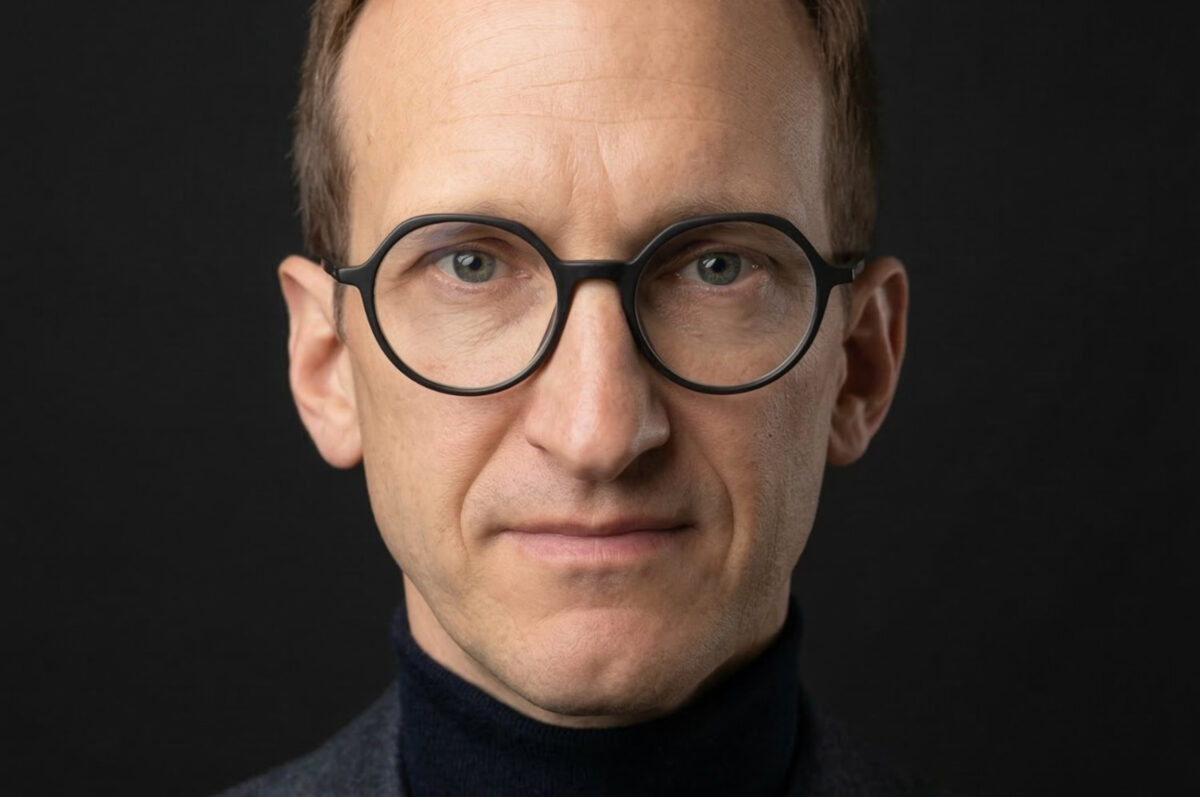
Gilles Stuck, entrepreneur in independent wealth management (Image: provided)
- This is the first article in a three-part WealthSummit series on the challenges facing independent wealth managers in Switzerland in the years ahead.
Depending on the survey, Switzerland has lost between one-third and one-half of its independent wealth managers over the past five years. Not through headline-grabbing takeovers. Not through spectacular failures. But through the quiet, grinding force of regulatory clean-up.
More than 1,000 firms told the Swiss Financial Market Supervisory Authority, FINMA, that they would not apply for a licence. Another 130 started the process, only to withdraw their applications. Nearly 700 registered on FINMA’s platform but never contacted a supervisory organisation; almost half of them did not even respond to a reminder.
What remains, according to FINMA, are 1,532 licensed wealth managers and trustees as of early 2025. The sector has been forced through a filter unlike anything the Swiss financial industry has seen in a generation. The survivors are stronger than those who left. But surviving is one thing. Thriving is quite another.
Small Firms, Significant Weight
Even within the industry, the scale of what remains is often underestimated. Independent wealth managers in Switzerland oversee between 400 billion francs, according to a recent estimate by one of the country’s largest custodian banks, and 700 billion francs according to other surveys. The fact that these estimates vary so widely is telling. Until the new regulatory regime arrived, this was a sector that had little obligation to measure itself with great precision.
Even at the lower end, independent wealth managers account for roughly one-fifth of all private client assets held by Swiss banks. They are part of a Swiss asset management industry that reached a record 3.45 trillion francs in 2024 and is regarded as Europe’s third-largest hub. Independent wealth management is not a niche. It is a central pillar of the Swiss financial centre.
Yet the typical firm remains small. FINMA data show that the average licensed wealth manager employs three people and manages around 180 million francs in client assets. The median is just 61 million francs. The industry association puts the average firm size at around five employees. These are SMEs, not institutions – often highly professional, often excellently run, but SMEs nonetheless.
The Independence Paradox
Most licensed wealth managers operate at a size that makes institutional economies of scale almost impossible. Academic studies of Switzerland’s private banking sector show that smaller private banks – which resemble larger external wealth managers in many operational respects – often operate with cost-income ratios above 90 percent. In other words, they are barely profitable.
This is the paradox at the heart of independent wealth management. What these firms offer clients – true independence, no product conflicts, open architecture, and deep personal trust – is genuinely valued. It is also difficult for larger institutions to replicate.
But the business model behind that promise is fragile. Every fixed cost matters: supervisory affiliation, compliance, technology, reporting, and custodian connectivity. All of it weighs disproportionately on a firm managing just 61 million francs.
Put simply, the personal, entrepreneurial bond between adviser and client remains the strongest asset Swiss independent wealth management has. But it rests on a model built for another era – one with lighter regulation, simpler client needs, and technology costs that were a fraction of today’s levels.
FINMA’s Mandate Deserves Respect
The regulatory reset of the past five years has made this tension sharper. In more than 40 percent of licensing cases, FINMA required at least five rounds of revisions before granting approval. The longest individual procedure lasted 550 days, according to media reports.
FINMA’s non-directly attributable supervisory costs for the sector rose from 1.86 million francs in 2022 to 9.25 million francs in 2024 – almost a fivefold increase in just two years. That is equivalent to more than 50 full-time supervisory roles. The figure triggered a parliamentary interpellation in June 2025, while the industry association publicly pushed back against further fee increases.
FINMA’s mandate deserves respect, and the licensing process has undoubtedly strengthened the sector. But proportionality deserves a more open and nuanced debate than it has received so far. When the median firm manages 61 million francs in client assets, an almost fivefold rise in supervisory costs is not a mere administrative burden. It becomes an existential issue.
Clients Change Faster Than Firms
At the same time, client expectations are rising fast. The typical client is no longer looking only for quarterly portfolio reviews and an annual meeting. Very wealthy individuals increasingly expect advice that resembles a family office service: estate planning, real estate oversight, philanthropic structures, tax-efficient succession planning, and much more.
Then comes the great generational wealth transfer. Numerous studies suggest that up to 70 percent of Baby Boomer heirs – those born between 1946 and 1964 – will change their wealth managers. The conclusion is clear: the five-person practice that served clients brilliantly in 2010 may no longer be equipped to meet today’s expectations. Not because of a lack of commitment, but because the infrastructure required now exceeds what a very small firm can realistically provide.
Technology Gap
None of this means the independent wealth management model has failed. Far from it. Its core promise – entrepreneurial, client-focused advice free from institutional politics and product pressure – remains highly relevant. In fact, demand for genuinely independent advice is likely growing, not shrinking.
The real question is not whether the market needs independent wealth managers. It is whether today’s structures can deliver that service at the level of quality clients will expect in the years ahead.
Based on more than two decades in this industry, I am convinced the pace of adaptation will accelerate. Technology is the area where independent wealth managers have underinvested the most. It is also the area that will matter most.
Firms That Move Now Will Define The Next Era
A wealth manager who wants to serve sophisticated clients credibly will need to operate on an institutional-grade technology platform – one that handles compliance, reporting, and custodian bank connectivity, while giving advisers back the one resource that matters most: time with their clients.
This does not mean replacing the custodian bank relationship. It means making that relationship more efficient, more productive, and more valuable for both sides.
The independent wealth managers that embrace this shift, raise the capital needed for true platform capability, and preserve their personal client relationships will be the firms that survive – and grow. The industry has no more than five years to answer these questions. After that, many of the key decisions will have been made by others.
- Gilles Stuck is an entrepreneur in independent wealth management. Since June 2026, he has also served on the supervisory board of Ardeva Group. He was previously Head of Switzerland at Bank Julius Baer and has more than 20 years of experience in the Swiss banking industry.