
Independent asset managers and family offices have long been built on personal trust and close client relationships. Yet according to Synpulse’s Group CEO and Managing Partner, Yves Roesti, their next phase will be defined by a delicate balancing act: professionalising and industrialising without losing their entrepreneurial edge.
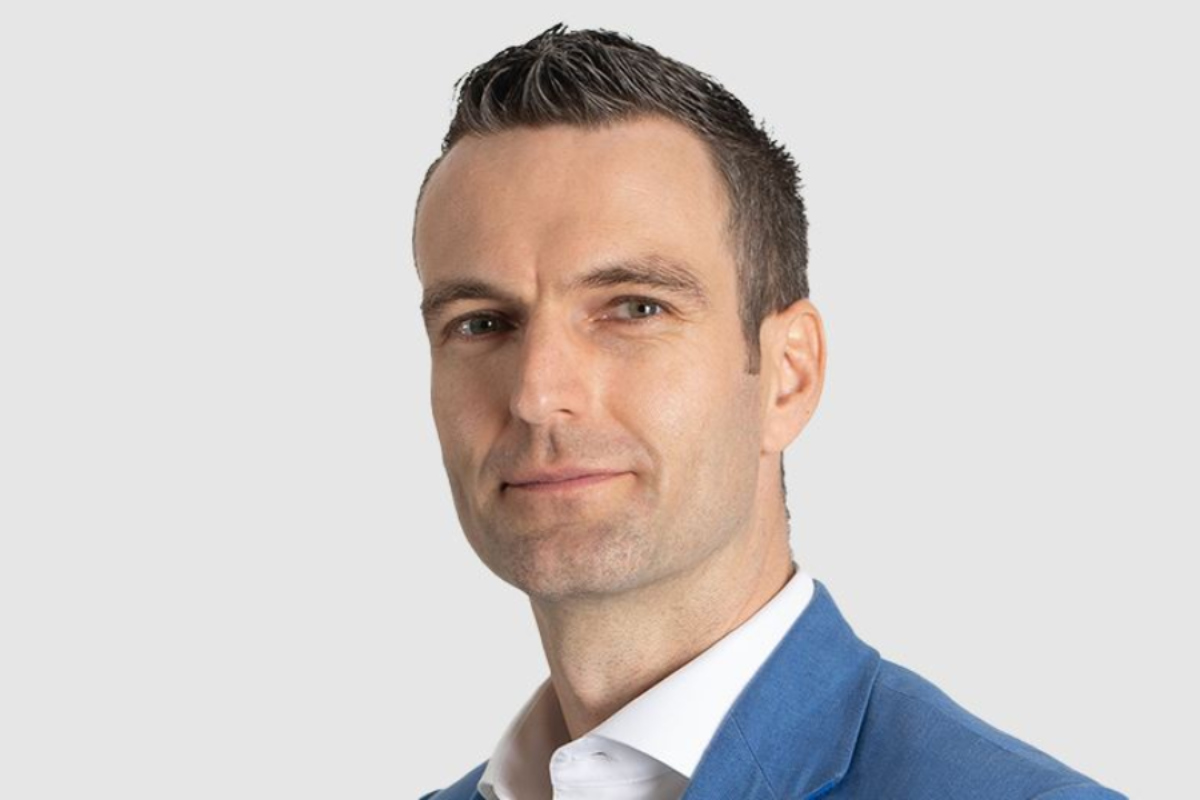
Yves Roesti, Managing Partner & CEO, Synpulse Group (Image: Synpulse)
Independent asset managers and multi-family offices are entering a new phase of competition. Client expectations are rising, custody relationships are multiplying, asset classes are becoming more complex, and manual processes are increasingly incompatible with scalable growth. The next battleground in external wealth management will be operating efficiency, data quality, and digital client experience.
Many external asset managers (EAMs) and multi-family offices (MFOs) still rely on fragmented systems, manual data handling and bespoke workflows, notes Yves Roesti, Group CEO and Managing Partner of Synpulse, a Swiss-headquartered management consulting and technology firm specialising in financial services.
The firm identifies recurring pain points across the wealth lifecycle: manual asset classification, inconsistent onboarding standards, incomplete client data, bespoke pricing models, order placement via email, custody aggregation issues, and unreliable reporting.
Harder to Defend
For a sector that often serves sophisticated entrepreneurs and ultra-high-net-worth families, this operational gap is becoming harder to defend, the report concludes.
Synpulse argues that EAMs and MFOs need to translate business capabilities into a coherent technology stack. The required functionality spans product universe management, onboarding, KYC and AML screening, CRM, client risk profiling, financial planning, investment proposals, order management, trade execution, fee processing, performance reporting, custody aggregation, alerts, rebalancing and digital channels for relationship managers and clients.
In other words, the future EAM platform is no longer a reporting add-on – it is the operating system of the advisory business.
Two Models For Two Different Markets
The firm distinguishes between larger EAMs and smaller, leaner players. Larger firms with more than $2 billion in assets under management, more than 500 clients, complex structures and broader asset classes require institutional-grade architecture, including CRM, retrocession models, general ledger capabilities, transaction-level booking engines and digital channels.
Smaller EAMs, by contrast, may prioritise account consolidation, portfolio aggregation, client reporting and lighter general ledger functionality. The strategic point is important: digitalisation is not one-size-fits-all – it must match the business model.
Client Experience Gap is Widening
Wealth management clients increasingly expect the same immediacy, transparency, and usability found in other digital services. Yet many EAMs still have «no channel, other than bespoke portfolio report».
«That is a warning sign,» Roesti says. A PDF report delivered periodically may once have been sufficient. Today, it risks looking static, opaque and outdated – particularly for next-generation clients who expect portfolio insights, messaging and interaction in real time.
Data as the Hidden Battlefield
Custody aggregation is one of the most important operational challenges. EAMs often work across multiple banks, each with different standards, asset classifications, reference currencies, and data formats.
This creates reconciliation problems and undermines performance reporting. The OpenWealth API standard is presented as a potential industry response, enabling common data exchange across custody services, customer management, and order placement.
Its broader ambition is to reduce friction between custody banks, WealthTechs, EAMs, family offices, and other market participants.
Open Standards Change the Economics
The OpenWealth initiative is especially relevant because it targets one of the sector’s structural inefficiencies: the high cost of connecting fragmented institutions and technology providers.
According to Synpulse, OpenWealth already counts more than 50 WealthTech members and is supported by several Swiss banks.
In Asia, two custody banks are expected to launch OpenWealth APIs, while three WealthTechs are set to adopt them. If adoption broadens, the result could be lower integration costs, faster onboarding, and more reliable data flows.
Turnkey Solution
Synpulse presents a turnkey solution designed to deliver a full front-channel platform with PMS integration in an initial five-month implementation phase.
The proposed Wealth Cockpit offering covers onboarding, CRM, portfolio insights, proposals, order management, and reporting in one interface. «For EAMs under pressure to modernise without building large internal technology teams, that implementation speed is commercially significant,» underlines Roesti.
AI as an Emerging Layer in Wealth Management
The firm also points to generative AI as an emerging layer in wealth management operations. Its K8, or Kate, assistant is positioned as an AI tool for financial services that can detect market-triggered signals, highlight portfolio impact, suggest next-best actions based on client preferences, and generate channel-ready messaging for email, WhatsApp, in-app notifications, relationship manager talking points, and even AI-driven video messages.
The implication is that AI will not replace the advisor – but it may sharply increase the advisor’s productivity.
M&A Adds Urgency
The case of Lumen Capital and Aument Capital Partners illustrates how operational fragmentation becomes especially visible after consolidation.
Synpulse supported the integration over eight months, addressing CRM and compliance workflows, product and pricing structures, marketing and branding, vendor consolidation, custodian onboarding, and data reconciliation.
As consolidation continues across the EAM sector, successful post-merger integration will increasingly hinge on firms’ ability to unify data, workflows, and the client experience quickly.
Scalable Architecture
For financially savvy observers, the broader message is that external wealth management is becoming a platform business. Trust, investment judgement, and personal relationships remain central.
But they now need to be supported by scalable architecture, clean data, digital channels, and automated workflows. The firms that succeed will be those that preserve the intimacy of the advisory model while building the infrastructure of an institutional wealth platform.
Strategic Inflection Point
For years, EAMs and MFOs have thrived on flexibility, independence, and close client relationships. Those strengths remain central to their appeal. Yet the next phase of growth will require more than entrepreneurial agility: disciplined operating models, interoperable systems, and technology that turns fragmented service delivery into a seamless wealth experience.
«In that sense, digital transformation is no longer a back-office project – it is becoming the core strategic agenda for independent wealth management,» Roesti concludes.